
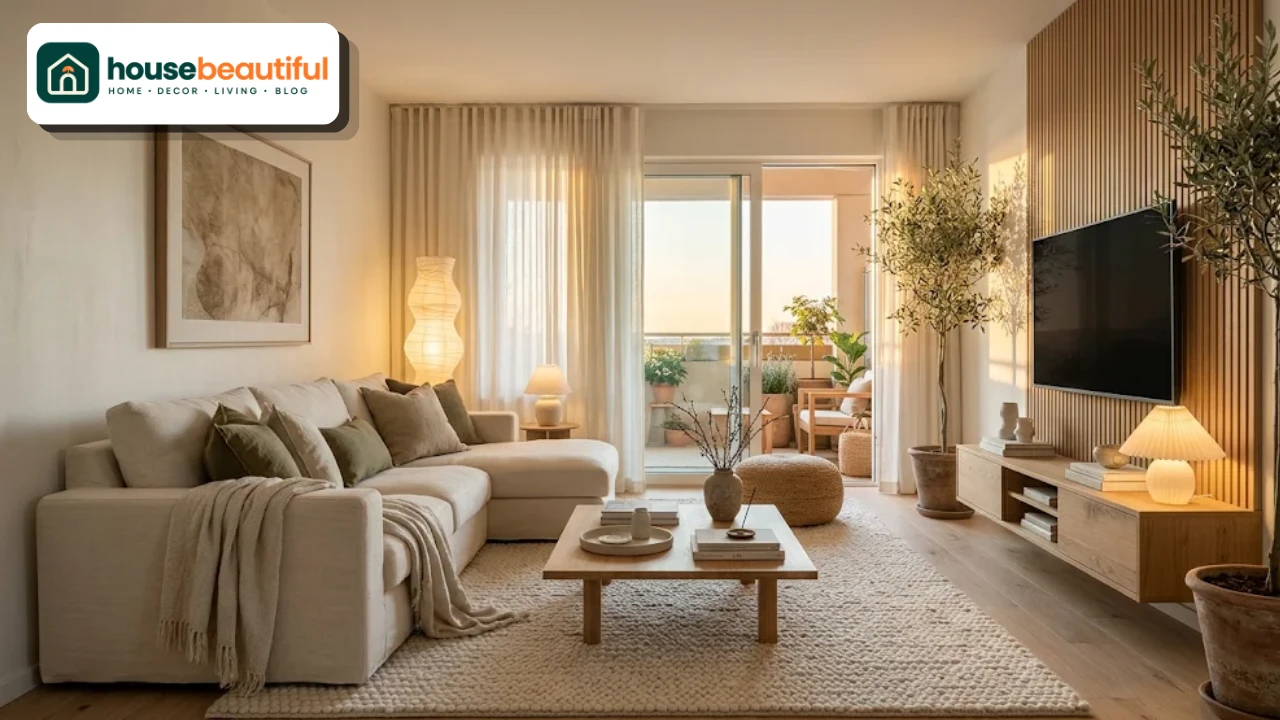
Almost everyone has a picture in their head of the perfect living room. Maybe it’s a bright, airy space with a deep linen sofa and plants in every corner. Maybe it’s a moody, book-lined den with velvet chairs and soft lamplight.
The hard part is turning that picture into a real room, within a real budget, in the space you actually have.
This guide is about dream living made practical. You’ll learn how to define what your dream room really looks like, choose a style, plan the layout, pick colors and lighting, and add the finishing details, step by step, without wasting money on pieces that don’t fit.
What a Dream Living Room Really Means
A dream living room isn’t about copying a magazine photo. It’s a room that looks beautiful to you and works for how you actually live.
For one family, that means durable fabrics, a huge sectional, and space for children to play. For a couple who love to entertain, it means plenty of seats and a great bar cart. For someone who works from home, it might mean a quiet reading corner and perfect light.
The best dream rooms share three qualities:
They feel personal. They reflect your tastes, memories, and interests.
They work every day. Comfort and function come first.
They feel calm and cohesive. Every piece looks like it belongs.
Define Your Dream
Before buying anything, spend time figuring out what you want. This is the most important stage of dream living design, and the one most people skip.
Ask yourself the right questions
How do you want to feel when you walk into the room: calm, energized, cozy, impressed?
What will you do in the room: watch TV, read, host, play, work?
Who uses it every day: adults, children, pets, guests?
What do you love about your current living room, and what frustrates you?
Which colors and materials make you happy?
Write down your answers. They will guide every decision that follows.
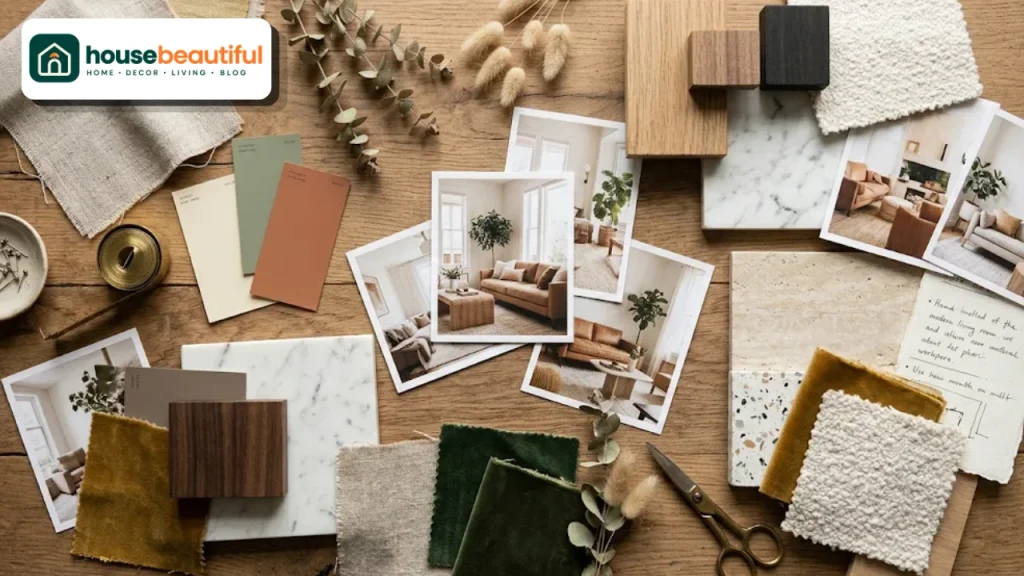
Build a mood board
Collect images of rooms you love from magazines, Pinterest, Instagram,m or design websites. After 20 or 30 images, look for patterns: recurring colors, furniture shapes, materials,ls and moods.
Those patterns reveal your true style, which is often different from what you think it is.
Pick three words
Summarize your dream room in three words, such as “warm, relaxed, natural” or “elegant, bright, classic”. Use these words as a filter when shopping. If a piece doesn’t match, skip it.
Find Your Style
Most dream living rooms fall into one style or blend two. Here are some of the most popular.
| Style | Key features | Feels like |
|---|---|---|
| Modern minimal | Clean lines, neutral colors, little clutter | Calm and serene |
| Scandinavian | Light woods, white walls, cozy textiles | Bright and cozy |
| Japandi | Low furniture, natural materials, muted tones | Peaceful and grounded |
| Classic contemporary | Traditional shapes, modern finishes | Elegant and timeless |
| Mid-century modern | Walnut, tapered legs, bold accents | Retro and warm |
| Bohemian | Layered patterns, plants, global textiles | Relaxed and creative |
| Modern luxury | Velvet, marble, brass, statement lighting | Glamorous and polished |
| Traditional | Rich woods, patterns, symmetry | Warm and formal |
If you love classic shapes with a fresh, modern edge, our guide to the classic contemporary living room is a good starting point.
Measure and Plan the Layout
Even the most beautiful furniture fails if it doesn’t fit. Measure the room carefully, including doors, windows, sockets, and any architectural features.
Draw a simple floor plan and decide on your focal point: a fireplace, a view, a TV wall,l or a feature wall. Then plan the main seating group around it.
Leave walkways of around 90 cm (36 in), keep the coffee table about 40–45 cm from the sofa, and keep seating within easy talking distance.
For a detailed method, see our living room furniture layout plan guide.
Set a Realistic Budget
A dream living room doesn’t have to be created all at once. Setting a budget and a plan helps you spend where it matters.
Decide where to splurge and where to save
| Splurge on | Save on |
|---|---|
| Sofa (you use it every day) | Side tables and accessories |
| A large quality rug | Cushions and throws |
| Lighting that sets the mood | Art prints and frames |
| One statement piece you love | Decorative objects |
Phase the project
Break the work into stages:
Foundation: paint, flooring, lighting fixtures, and any built-ins.
Core furniture: sofa, chairs, coffee table and rug.
Storage and display: shelving, cabinets and media units.
Finishing touches: art, cushions, plants and accessories.
Phasing lets you live in the room, learn what itneedsd,s and buy better pieces over time.
The Ten Elements of a Dream Living Room
Once you have a plan, these ten elements turn an ordinary room into something special.
A sofa you love sitting on
The sofa is the heart of the room. Test it in person if you can, checking seat depth, firmness, and back height. Choose a durable fabric in a color you won’t tire of.
A statement rug
A large rug anchors the seating area, adds color and pattern, and makes the room feel finished. Size it so at least the front legs of all seating rest on it.
Layered lighting
Combine ambient light (ceiling lights), task light (floor and reading lamps), and accent light (picture lights, LED strips, candles). Warm white bulbs make the room feel inviting at night.
A cohesive color palette
Choose a main neutral, a secondary color, and one or two accent colors. Repeat them across walls, fabrics, and accessories.
Texture everywhere
Mix materials such as linen, wool, velvet, leather, wood, stone and metal. Texture adds depth, especially in neutral rooms.
A clear focal point
Every dream room has something that draws the eye: a fireplace, a gallery wall, a large artwork, a bookshelf or a dramatic view.
Natural materials
Wood, stone, rattan and linen bring warmth and a connection to nature. For ideas, see our guide to wood living room decor.
Art and personal pieces
Display art you love, family photos, travel finds, and collections. These make the room feel like yours. Our guide to a sitting room gallery shows how to arrange art beautifully.
Plants and greenery
Plants soften corners, bring life to the room, and improve the sense of calm. Mix tall floor plants with smaller ones on shelves and tables.
Smart storage
Hidden storage keeps the room calm and clutter-free. Choose media units with doors, storage ottomans,s and shelves with baskets.
Plan Zones for How You Live
A dream living room often does more than one job. Dividing it into zones makes each activity easier,r and the whole room feels organized.
Conversation zone. The main seating group, arranged around a coffee table and focal point.
Reading nook. A comfortable chair, a floor lamp, a small side table , and a shelf of favorite books by a window.
Work corner. A slim desk or console with a good task lamp, ideally out of direct view from the sofa.
Play area. A soft rug and low storage for children’s toys in one corner.
Entertaining spot. A bar cart, conso,le or sideboard where drinks and snacks can be served.
Use rugs, lighting and furniture placement to define each zone, and keep a consistent color palette so the room still feels like one space.
How to Choose the Right Sofa
Because the sofa is the biggest and most used piece, it deserves extra attention.
Size. Measure the wall or zone and leave space for side tables and walkways. A sofa should usually take up no more than two-thirds of the wall it sits against.
Shape. Straight sofas suit most rooms; L-shaped sectionals seat more people and suit corners; curved sofas soften modern spaces.
Comfort. Seat depth matters. Shallow seats suit upright sitting and conversation, while deep seats are better for lounging. Try before you buy, ideally sitting for several minutes.
Construction. Look for a solid hardwood frame, good springs and high-density foam cushions. These last much longer than cheap alternatives.
Fabric. Linen and cotton feel relaxed, velvet feels luxurious, leather ages beautifully, and performance fabrics resist stains.
Color. A neutral sofa is easy to restyle as your tastes change. Add color through cushions and throws instead.
Choosing Colors for Your Dream Living Room
Color sets the mood more than almost anything else.
Warm neutrals like cream, beige,e and greige feel calm and timeless, and work in almost any style.
Soft greens and blues bring a fresh, natural feel and pair beautifully with wood and plants.
Deep, moody shades like navy, forest green or charcoal create a cozy, dramatic room, especially for evenings.
Earthy tones such as terracotta, rust and ochre add warmth and suit bohemian or rustic styles.
Test paint samples on several walls and look at them in morning, afternoon, and evening light before deciding.
Lighting: The Secret to a Dream Room
Lighting is often what separates an ordinary living room from a dream space.
Plan at least three light sources in different parts of the room. A central ceiling light alone makes a room flat; lamps at different heights make it glow.
Use dimmers wherever possible so you can change the mood from bright and practical to soft and relaxing.
Make the most of daylight with light curtains and mirrors placed to reflect windows.
Eight Dream Living Room Looks to Inspire You
If you’re still searching for direction, these looks show how different a dream room can be.
The calm retreat. Warm white walls, a deep linen sofa, a wool rug, oak furniture and soft lamplight. Everything feels quiet and restful.
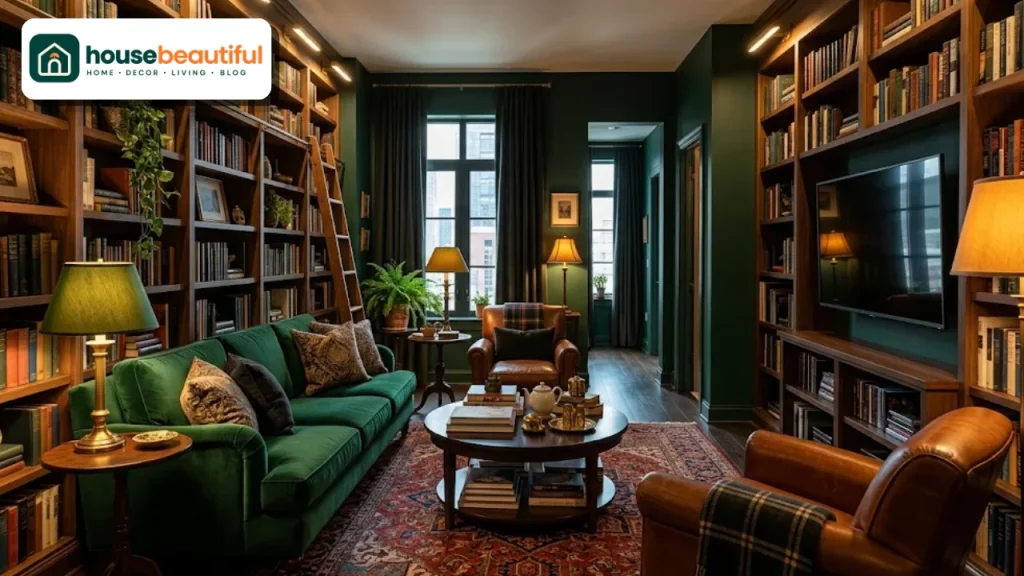
The moody library. Deep green or navy walls, built-in bookshelves, a velvet sofa, brass lamps and a leather armchair. Perfect for evenings.
The bright family room. A large washable sectional, a sturdy wooden coffee table, playful art and plenty of hidden storage.
The modern luxe lounge. A curved boucle sofa, a marble coffee table, a sculptural chandelier and layered neutral tones.
The plant-filled sanctuary. White walls, rattan chairs, natural textiles and plants of every size, from floor palms to trailing pothos.
The entertainer’s room. Two facing sofas, extra chairs, a bar cart, great speakers and dimmable lighting.
The classic elegant room. Symmetrical seating, traditional shapes in fresh fabrics, gilded mirrors and a patterned rug.
The minimalist haven. Very few pieces, each one beautifully made, with plenty of empty space and hidden storage.
Pick the look that feels closest to your three words, then adapt it to your space and budget.
Your Dream Living Room Furniture Checklist
Most living rooms need these core pieces. Use the list to plan your budget and avoid forgetting essentials.
- Main sofa or sectional
- One or two armchairs or accent chairs
- Coffee table or large ottoman
- Side tables within reach of every seat
- Area rug sized to the seating group
- Media unit or TV console (if needed)
- Bookshelf, sideboard or display cabinet
- Floor lamp and table lamps
- Curtains or blinds
- Mirror and art
You won’t need every item in every room, but checking the list helps you plan the full picture before you start buying.
The Finishing Touches
Details are where a room starts to feel like a dream.
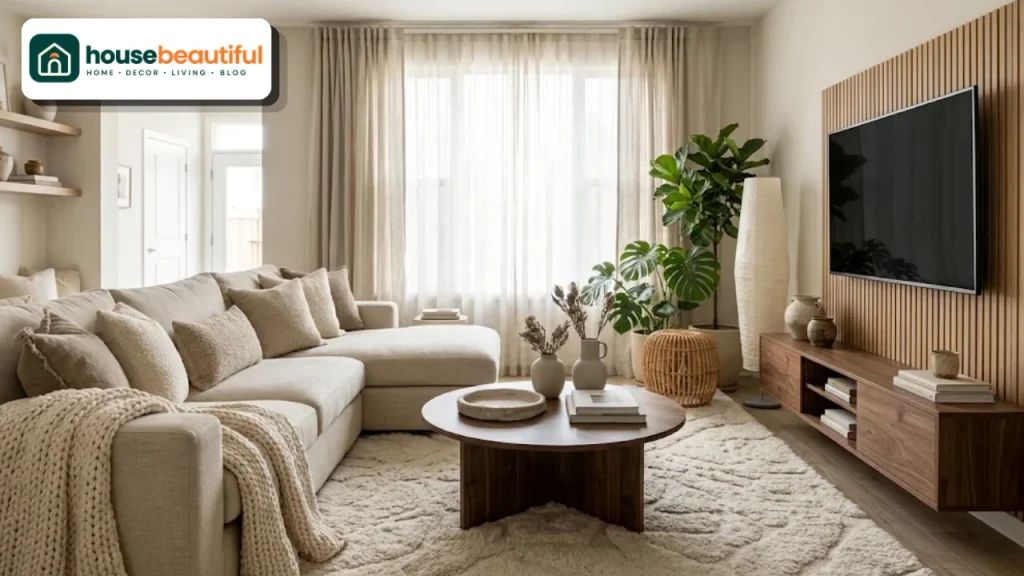
Cushions and throws. Layer two or three sizes and textures in your accent colors.
Curtains. Hang them high and wide, floor-length, to make windows look larger and the room feel grander.
Books. Stack them on coffee tables and shelves to add color, height,t and personality.
Scent and sound. Candles, diffusers, and a good speaker complete the experience of the room.
Flowers. Fresh flowers or branches make any room feel cared for.
Dream Living in a Small Space
You don’t need a large room to create a dream living space. Small rooms can feel just as special.
Choose a compact sofa with slim arms, furniture on legs, and a round coffee table. Use mirrors and light colors to make the room feel bigger.
Go vertical with tall shelving and wall-mounted storage. Pick one bold element, such as a patterned rug or a dark accent wall, rather than many small ones.
For more ideas, see our list of small living room ideas.
Dream Living Rooms for Families
A family living room has to survive daily life and still look beautiful.
Choose performance fabrics or washable slipcovers, and darker or patterned rugs that hide spills. Rounded coffee tables and soft ottomans are safer for small children.
Plan storage for toys in baskets, cabinet,s or a dedicated play corner. A durable dream room is one that everyone can enjoy without worry.
Renter-Friendly Dream Living
Renting doesn’t mean giving up on your dream room.
Use rugs, curtains, lamps, cushions and art to change the look without touching walls. Peel-and-stick wallpaper can create an accent wall, and leaning large art or mirrors avoids extra holes.
Invest in good furniture you can take with you to your next home.
Refreshing Your Room Through the Seasons
A dream room evolves. Small seasonal changes keep it feeling fresh without spending much.
In autumn and winter, add heavier throws, velvet or wool cushions, candles, and warm-toned lighting. Pull seating a little closer for a cozier feel.
In spring and summer, swap in linen cushion covers, lighter curtains, fresh flowers and more greenery. Roll back a heavy rug if it makes the room feel warm.
Rotate art and accessories occasionally. Moving a few objects around often makes a familiar room feel new.
Should You Work With a Designer?
Many people create their dream living room themselves, but a designer can help if you feel stuck, have an awkward room or want to avoid costly mistakes.
Online design services offer mood boards, floor plan,s and shopping lists at a lower cost than full-service design. A local interior designer can handle everything from layout to installation.
Even a single consultation can help you clarify your style, confirm your layout,t and point out problems before you buy. Bring your mood board, measurements,s and budget to make the most of it.
Personal Touches That Make It Yours
The difference between a nice living room and a dream one is often personality.
Frame meaningful photos, children’s artwork or travel maps. Display a collection, such as ceramics, books, or vinyl records, on open shelves. Bring in pieces with a story: a vintage chair, a family heirloom,m or a rug from a trip abroad.
Choose at least one item that makes you smile every time you see it. These details turn a well-designed room into a home.
Sustainable Dream Living
A dream room can also be a responsible one.
Choose quality furniture that lasts instead of fast, disposable pieces. Look for FSC-certified wood, natural fibers such as wool, cott, and linen, and low-VOC paints.
Shop vintage and secondhand for unique, characterful pieces. Reupholstering an old sofa or refinishing a solid wood table often costs less than buying new and keeps furniture out of landfill.
Energy-efficient LED bulbs and good insulation around windows make the room more comfortable and cheaper to run.
A Simple 30-Day Starter Plan
If the whole project feels overwhelming, start with one month of small, focused steps.
Dream and decide. Build your mood board, choose your three words, and set a budget.
Measure and plan. Draw the floor plan, decide on the layout,t and list the pieces you need.
Clear and prepare. Declutter, remove pieces that don’t fit the plan,n and paint if needed.
First changes. Rearrange existing furniture, add a rug or lamps, and hang one piece of art.
By the end of the month, your room will already feel closer to your vision, and you’ll have a clear list for the next phase of your dream living project.
Common Mistakes to Avoid
Buying everything at once. Rushing leads to a showroom look and regret. Build the room over time.
Choosing style over comfort. A beautiful sofa you don’t enjoy sitting on is not part of a dream room.
Ignoring scale. Measure before you buy, so furniture fits the room and the walkways.
Too many trends. Trends date quickly. Use them in small, easy-to-change accessories.
No personal touches. A room without personal items feels like a hotel lobby.
Poor lighting. One overhead light can ruin even the best design.
Bringing Your Dream to Life
Creating a dream living room is a journey, not a weekend project. Start by understanding how you want the room to feel, choose a style and palette that reflect you, plan a layout that works, and build the room in stages.
Above all, fill it with things you love. True dream living isn’t about perfection. It’s about a room that welcomes you home every day.

FAQs:
How do I start designing my dream living room?
Start by defining how you want the room to feel and how you’ll use it, then build a mood board, choose a style and measure the room before buying anything.
How do I find my living room style?
Collect 20–30 images of rooms you love and look for patterns in color, materials,s and furniture shapes.
What should I spend the most money on?
The sofa, a quality rug, and good lighting usually give the best value, because they shape comfort and atmosphere most.
How can I make my living room feel luxurious on a budget?
Use layered lighting, floor-length curtains, a large rug, rich textures, and a few well-chosen statement pieces.
What colors make a living room feel calm?
Warm neutrals, soft greens and gentle blues create a calm, relaxing atmosphere.
How many lights does a living room need?
At least three light sources at different heights, combining ambient, task,k and accent lighting.
Can a small living room be a dream room?
Yes. Compact furniture, mirrors, light colors, vertical storage,ge and one bold feature can make a small room feel special.
How do I make my living room feel personal?
Display art, photo books,oks and objects that have meaning to you, and choose colors you genuinely love.
How long does it take to create a dream living room?
It varies. Many people create theirs in phases over several months, which helps avoid costly mistakes.
What makes a living room feel cozy?
Soft textiles, warm lighting, natural materials, plants, and comfortable seating arranged close enough for conversation.