
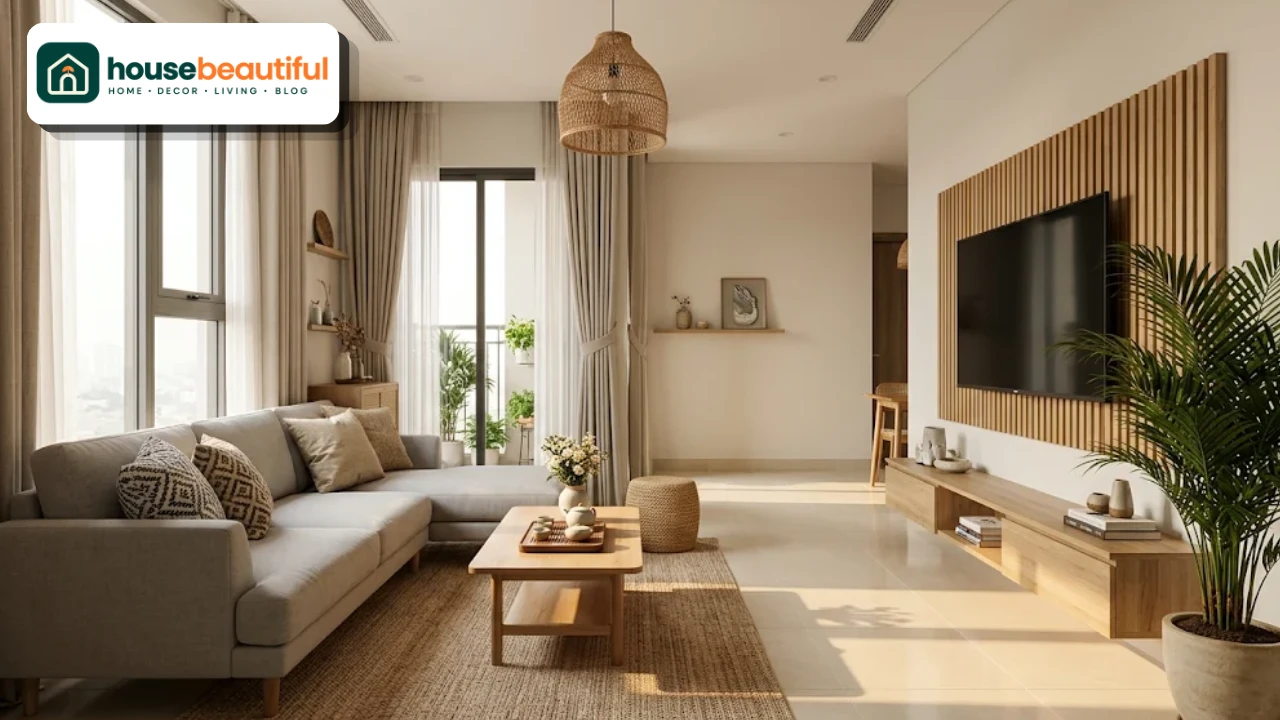
In Vietnamese, the living room is called the phòng khách, which literally means “guest room”. The name says a lot.
This is the room where visitors are welcomed with tea, where families gather after dinner, and where important occasions, from Tết to weddings, are celebrated.
Because it carries so much meaning, the living room is often the most carefully designed space in a Vietnamese home.
It needs to look welcoming and respectable, yet stay comfortable for everyday family life in a hot, humid climate.
This guide covers everything you need to design a beautiful phòng khách: eight popular styles, colors, materials that suit the climate, essential furniture, lighting, ideas for apartments and tube houses, and the local crafts that give a room real character.
The Role of the Phòng Khách in a Vietnamese Home
In many Vietnamese homes, the phòng khách sits right at the front of the house, often directly inside the main door. In tube houses (nhà ống), it may share space with the motorbike parking area, while in apartments it is usually open to the kitchen and dining area.
It serves several roles at once:
A place to receive guests. Visitors are traditionally offered tea at a low table, so seating and a tea set are central to the room.
A family gathering space. Evenings are spent watching TV, chatting,g and relaxing together.
A place for celebrations. During Tết, the room fills with relatives, flowers and trays of sweets.
A spiritual space in some homes. In houses without a separate worship room, the ancestor altar may be in or near the living room.
Good design balances all these roles, so the room feels formal enough for guests but relaxed enough for daily life.
8 Popular Phòng Khách Design Styles
Choosing one clear style gives the room a unified look. These are among the most popular styles in Vietnamese homes today.
Modern (Hiện đại)
Clean lines, neutral colors, simple sofas, and sleek TV walls. Modern rooms feel bright and uncluttered and suit most apartments and new townhouses.
Minimalist (Tối giản)
An even more pared-back version of modern design. Very few pieces, lots of open space and hidden storage. It suits people who love calm and order.
Indochine (Đông Dương)
A blend of French colonial elegance and Vietnamese tradition. Expect dark wood, rattan and cane, encaustic cement tiles (gạch bông), lantern-style lighting, tropical plants and accents of yellow, green or deep red. It is one of the most distinctive Vietnamese styles.
Neoclassical (Tân cổ điển)
A lighter version of classic European design. Moldings on walls and ceilings, elegant sofas, chandeliers,ers and soft colors like cream, white, and gold. It feels luxurious and is popular in villas and large townhouses.
Traditional Vietnamese
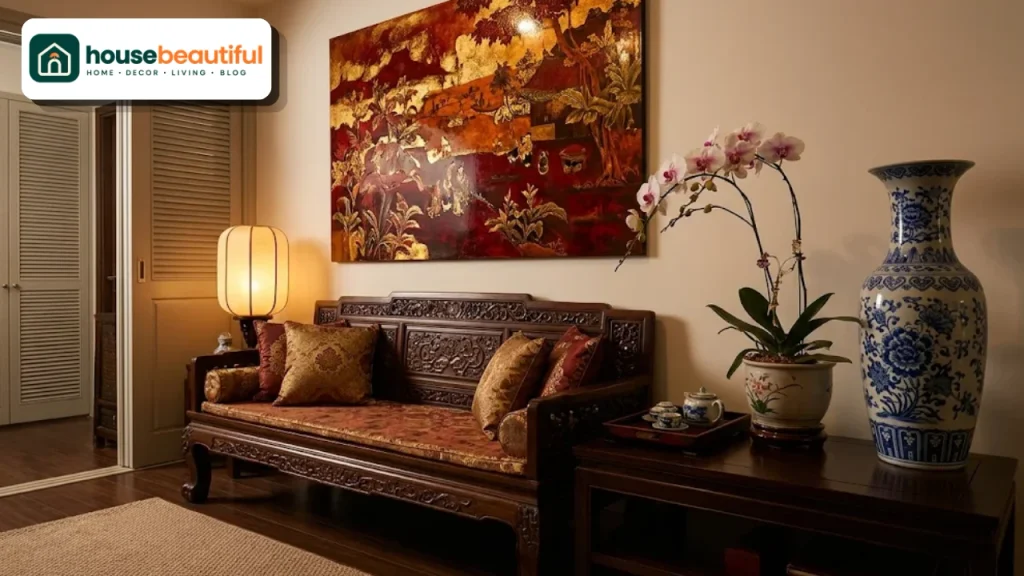
A carved wooden sofa set (bộ bàn ghế gỗ) of rosewood or ironwood, a low tea table, lacquer paintings, and ceramics. It feels formal, warm, and deeply rooted in heritage.
Japandi
Japanese simplicity combined with Scandinavian warmth. Low furniture, light wood, linen, and a calm, neutral palette. It suits Vietnamese families who love natural materials and quiet spaces.
Scandinavian
Light wood, white walls, soft textiles and plants. It feels fresh and airy, ideal for compact apartments.
Industrial
Exposed brick or concrete, black metal, leather,r and wood. It suits loft-style apartments and younger homeowners.
| Style | Best for | Key materials |
|---|---|---|
| Modern | Apartments, townhouses | Laminate, glass, fabric |
| Minimalist | Small spaces | Matte finishes, hidden storage |
| Indochine | Townhouses, villas | Dark wood, rattan, encaustic tiles |
| Neoclassical | Villas, large rooms | Moldings, marble, velvet |
| Traditional | Family homes | Carved hardwood, lacquer |
| Japandi | Calm, natural homes | Light wood, linen, paper |
| Scandinavian | Bright apartments | Oak, white walls, wool |
| Industrial | Lofts | Concrete, metal, leather |
How to choose your style
If you’re unsure which style suits you, ask a few simple questions. Do you prefer clean, empty surfaces or a room full of collected pieces? Do you love dark, rich wood or light, airy finishes? Is the room mainly for formal guests or everyday family life?
Clean surfaces and light finishes point toward modern, minimalist, Scandinavian,n or Japandi. Rich wood and heritage pieces suggest Indochine or traditional. A love of elegance and detail suits neoclassical.
Also consider the rest of the house. The living room should flow naturally into the kitchen, dining area,ea and stairs, so choose a style that works throughout the ground floor.
Choosing Colors for Your Phòng Khách
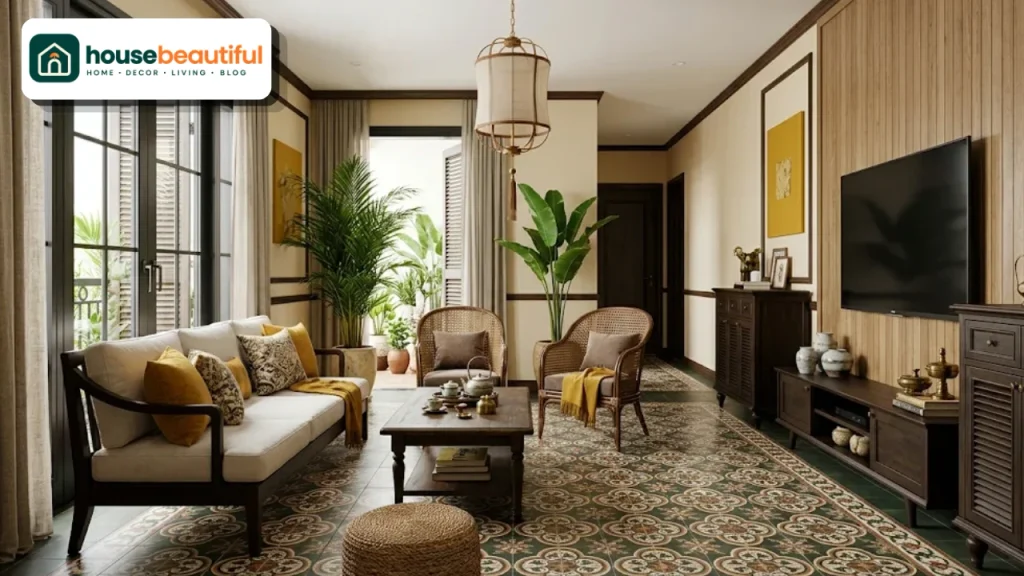
Color shapes the mood of the room and how hot or cool it feels.
Whites and creams reflect light and keep rooms feeling cool and spacious, which is helpful in a hot climate.
Warm greys and beiges are calm and flexible, suiting modern and Japandi styles.
Wood tones bring warmth and pair well with almost every color.
Deep greens and blues work as accent walls or in fabrics, creating a cool, relaxing feel.
Yellow, red, and gold accents appear in Indochine and traditional rooms and are associated with warmth and good fortune.
A simple rule is to keep about 60% of the room in a main neutral, 30% in a secondary color, and 10% in accents.
Materials That Suit a Tropical Climate
Vietnam’s heat and humidity affect how materials perform, so choose carefully.
Flooring. Porcelain and ceramic tiles stay cool and resist moisture. Engineered wood gives warmth with better stability than solid wood. Encaustic cement tiles add pattern and character.
Furniture. Hardwoods, rattan, cane, and bamboo cope well with humidity and allow air to flow. Avoid cheap particle board in damp areas.
Fabrics. Linen, cotton, and performance fabrics breathe better than heavy velvet. Leather is durable but can feel hot in summer.
Walls. Washable, moisture-resistant paint is practical. Wood slat panels and textured finishes add warmth without heavy upkeep.
Curtains. Light, breathable fabrics let air through, while blackout linings help block afternoon heat.
Essential Furniture for a Phòng Khách
Every phòng khách needs a few core pieces.
Sofa or sofa set. An L-shaped sofa suits apartments; a traditional wooden set suits formal rooms; a straight sofa with armchairs is flexible for most spaces.
Tea or coffee table. The center of hospitality. A low table with space for a tea set is ideal.
TV cabinet. A long, low unit with closed storage keeps electronics tidy.
Display cabinet or shelves. A place for ceramics, books,s and family photos. See our designs for a living room showcase.
Side tables and stools. Extra surfaces and seats for guests.
Rug. Defines the seating area and adds softness.
For guidance on how to place these pieces, read our guide on how to arrange a living room.
Wall and Ceiling Ideas
Walls and ceilings are where many Vietnamese living rooms make their biggest statement.
TV feature wall. Wood slats, marble-look panels, textured paint,nt or stone cladding behind the TV create a strong focal point and hide cables.
False ceiling (trần thạch cao). Gypsum ceilings with recessed edges are very common. They hide wiring, allow layered lighting,ing and can add height with a stepped design.
Moldings and panels. Neoclassical rooms use decorative moldings on walls and ceilings for an elegant, symmetrical look.
Wood ceilings. Indochine and traditional rooms sometimes use wooden ceiling panels or beams for warmth.
Accent walls. One wall in a deeper color, wallpaper, or encaustic tiles adds character without overwhelming the room.
Keep the remaining walls light and simple, so the feature stands out.
Seating for Guests and Large Families
Vietnamese families often host many relatives at once, so seating needs to be flexible.
Choose a main sofa that seats at least three people, then add armchairs, stools,s or ottomans that can be moved around. A long bench along a wall or under a window adds seating without taking much space.
Folding chairs or floor cushions stored nearby are useful for big gatherings. In traditional homes, a wooden sofa set with a long sofa and several armchairs provides plenty of formal seating.
Arrange seats so everyone can see each other and reach the tea or coffee table easily.
Storage Solutions
Hidden storage keeps a living room calm and welcoming.
A TV cabinet with drawers holds remotes, chargers,rs and documents. Tall cabinets or display units store books, photo albums, and gifts. Storage ottomans and baskets hide blankets and children’s toys.
In tube houses, use space under the stairs for built-in cabinets or a small shoe storage area near the entrance. In apartments, choose tall, slim shelving to use vertical space.
Lighting the Room
Good lighting makes a living room welcoming at any time of day.
Natural light. Large windows, glass doors,ors and skylights (giếng trời) bring light deep into narrow homes. Light curtains soften harsh sun.
Ambient light. Recessed downlights, a ceiling light, or a chandelier provide general brightness. Neoclassical rooms often feature crystal chandeliers, while Indochine rooms suit lantern or rattan pendants.
Task and accent light. Floor lamps for reading and LED strips behind the TV wall, in shelves, or in a false ceiling create atmosphere.
Choose warm white light for evenings to make the room feel cozy and inviting.
Phòng Khách Ideas by Home Type
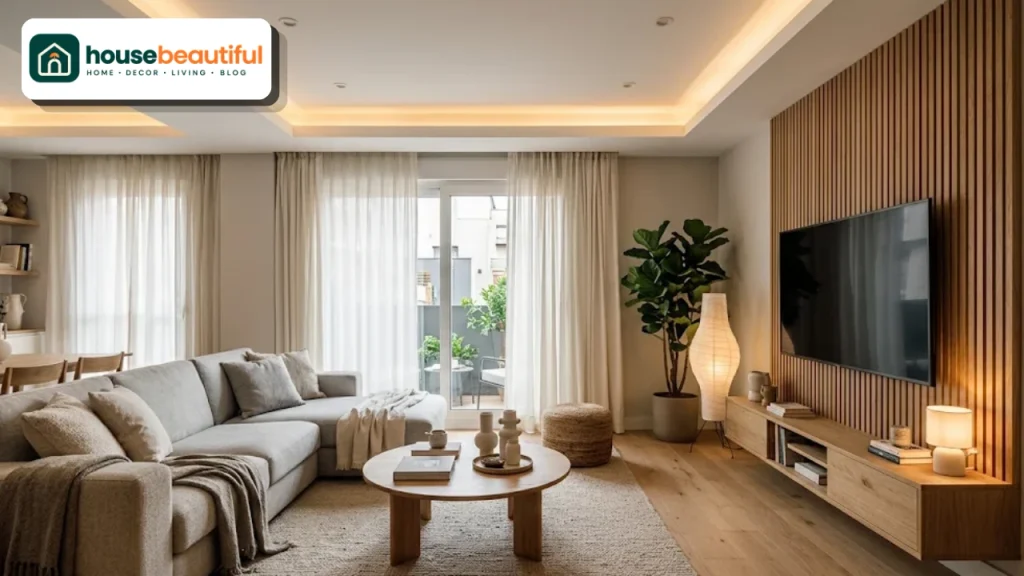
Apartments (Chung cư)
Apartment living rooms are usually compact and open to the kitchen.
Choose an L-shaped sofa, a wall-mounted TV, and furniture on legs to keep the floor visible. Use a rug and the back of the sofa to separate living and dining zones. Light colors and mirrors make the room feel larger.
Tube Houses (Nhà ống)
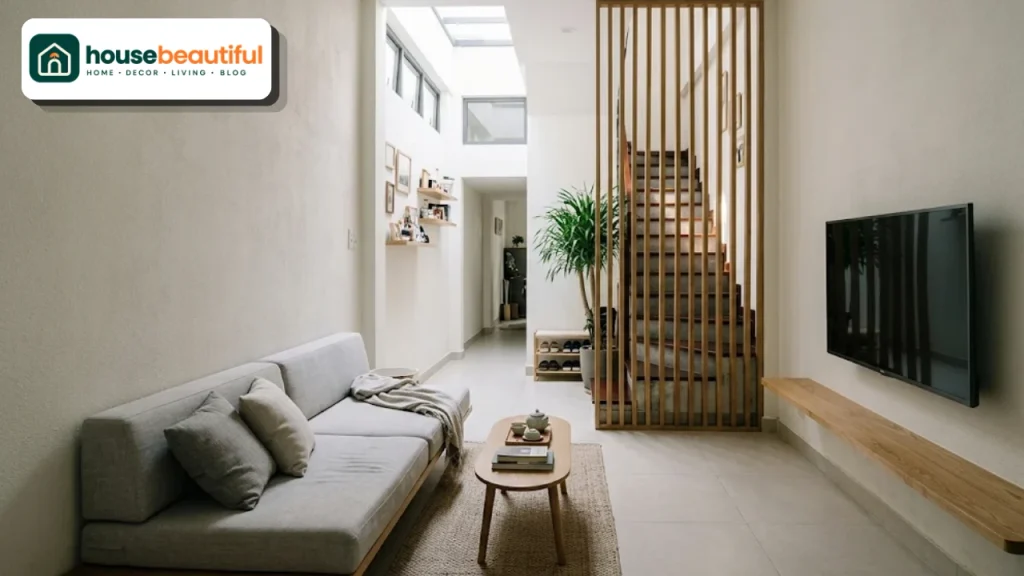
Long, narrow tube houses need furniture that keeps a clear path through the home.
Place the sofa along one long wall with the TV opposite. Use a slatted wooden screen or open shelf to separate the living room from the stairs or motorbike area. A skylight or light well brings much-needed natural light.
Townhouses (Nhà phố)
Townhouses often have a more generous ground floor. A sofa with armchairs or a facing layout works well, and a feature wall or staircase can become a design highlight.
Villas (Biệt thự)
Large villas suit neoclassical or Indochine styles, with high ceilings, chandeliers, large sofasetst,s and separate zones for receiving guests and family relaxation.
Living Room With Kitchen (Phòng khách liền bếp)
Open-plan layouts are increasingly popular. Use a kitchen island, bar counter, or open shelving as a divider, and a strong range hood to keep cooking smells away from the seating area.
The Tea Corner: Heart of Vietnamese Hospitality
Serving tea to guests is a cherished tradition, and many families design part of the phòng khách around it.
A low wooden or stone tea table, a set of small cups,s and a teapot are the essentials. Some homes add a tea tray (khay trà), a small cabinet for tea leaves and cups, and a kettle within reach.
In modern homes, the tea set can sit on a coffee table or a dedicated side table. In traditional homes, a carved wooden table and matching chairs create a formal tea area.
Keeping the tea corner tidy and ready shows guests they are welcome at any time.
Decor and Local Crafts
Local crafts give a Vietnamese living room a sense of place and story.
Lacquer paintings (sơn mài). Rich, glossy artworks with gold and red tones make striking focal points.
Bát Tràng ceramics. Vases, bowls and decorative plates from this famous pottery village add color and heritage.
Silk paintings and embroidery. Soft, delicate art pieces suit both traditional and modern rooms.
Rattan and bamboo pieces. Lamps, baskets and chairs add natural texture.
Encaustic tiles. Use them on a floor, a feature wall, or even a coffee table top.
Plants. Areca palms, money trees and orchids bring life and freshness.
Display a few well-chosen pieces rather than many small ones, so each item has room to shine. For more wall ideas, see our guide to wood living room decor.
The Formal Phòng Khách
Some families keep a formal reception room, similar to a drawing room, used mainly for important guests and occasions.
Here, a symmetrical layout with a carved or upholstered sofa set facing the entrance creates a dignified look. Rich wood, a large rug, a chandelier,r and display cabinets complete the room.
For more ideas on formal reception spaces, read our drawing room interior design ideas.
Preparing the Room for Tết
Tết is the busiest time of year for most living rooms.
Before the holiday, declutter and deep clean the room, wash curtains and cushion covers, and polish wooden furniture. Many families repaint or add small updates at this time.
Make room for a peach or apricot blossom tree, a kumquat tree,e and trays of candied fruits (mứt Tết). Place them where they won’t block walkways or the view of the entrance.
Add extra seating, red and gold accents and fresh flowers to create a festive, welcoming atmosphere. After Tết, return to your everyday layout.
Rugs, Curtains and Textiles
Textiles soften a living room and make it more comfortable.
Choose a rug large enough for the front legs of the sofa and chairs, typically 160 x 230 cm or 200 x 300 cm. In humid climates, low-pile rugs made of synthetic fibers, cotton, or jute are easier to clean and dry.
Floor-length curtains hung high make ceilings look taller. Sheer curtains filter daylight, while thicker curtains block afternoon heat.
Cushions and throws in your accent colors tie the room together and are easy to change for seasons or holidays.
Small Phòng Khách Ideas
Many Vietnamese homes, especially apartments and tube houses, have small living rooms.
Choose a compact sofa or loveseat, a round coffee table, and armless chairs. Wall-mounted shelves and a floating TV cabinet free up floor space.
Light colors, mirrors and large windows make the room feel bigger. Avoid heavy carved furniture and too many decorative objects in a small space.
For more space-saving tips, see our list of small living room ideas.
Keeping the Room Cool and Comfortable
Comfort in a hot climate is just as important as appearance.
Position the sofa so air conditioning or a ceiling fan reaches it gently, not directly. Keep windows clear for cross-ventilation when the weather allows.
Choose breathable fabrics, cool tile floors,s and plants, which help a room feel fresher. Light-colored walls and curtains reflect heat rather than absorb it.
Feng Shui Considerations
Many families consider feng shui (phong thủy) when designing the living room. Common guidelines include keeping the entrance clear, placing the sofa against a solid wall, avoiding mirrors directly facing the main door, and using plants and good lighting.
These are traditional beliefs that vary between families, so combine them with what works practically in your home.
Current Phòng Khách Trends
A few design directions are especially popular in Vietnamese living rooms right now.
Warm minimalism. Simple, uncluttered rooms softened with wood, linen and warm lighting.
Modern Indochine. Classic Indochine elements such as rattan, arches and encaustic tiles combined with lighter, cleaner furniture.
Curved furniture. Rounded sofas, arched niches and circular coffee tables soften straight lines.
Natural materials. Stone, wood, rattan and clay finishes bring a calm, organic feel.
Smart home features. Hidden speakers, smart lighting and automated curtains blend technology into the design.
Living Rooms for Families With Children and Pets
A family living room needs to be safe and durable.
Choose rounded furniture edges, anchor tall cabinets and TVs to the wall, and cover unused sockets. Washable sofa covers and stain-resistant rugs make cleaning easier.
Create a small play corner with a soft mat and low storage baskets. For pets, choose tightly woven fabrics or leather that resist scratches, and keep fragile decor on higher shelves.
Budget Tips
A beautiful phòng khách doesn’t need a huge budget.
Spend on the pieces you use most: the sofa, a good rug,g and lighting. Save on accessories, which you can add over time.
Engineered wood and laminate offer the look of wood for less. Local crafts such as ceramics and rattan are often affordable and add more character than mass-produced decor.
Repainting walls, adding plants,ts and rearranging existing furniture can transform a room for very little cost.
Common Mistakes to Avoid
Mixing too many styles. A room with modern, neoclassical and traditional pieces at once looks confused. Pick one main style.
Oversized furniture. A huge sofa set can overwhelm a small room. Measure first.
Too many decorations. Clutter makes a room feel smaller and harder to clean.
Ignoring the climate. Heavy fabrics and dark colors can make a room feel hot and stuffy.
Poor lighting. A single ceiling light leaves the room flat in the evening.
Blocking the walkway. Keep a clear path from the entrance to other rooms.
Bringing It All Together
The phòng khách is the heart of the Vietnamese home: a place of welcome, family,ily and celebration.
Designing it well means choosing a clear style, using colors and materials that suit the climate, planning furniture around hospitality and adding local crafts that tell your family’s story.
Whether you live in a compact apartment, a narrow tube house or a spacious villa, a thoughtfully designed phòng khách will make every guest feel at home.
FAQs:
What does “phòng khách” mean?
It means “living room” in Vietnamese, literally “guest room”, the space where visitors are received, and families gather.
What is the most popular living room style in Vietnam?
Modern and minimalist styles are very popular in apartments, while Indochine, neoclassical,l and traditional styles are common in townhouses and villas.
What is Indochine style?
A blend of French colonial and Vietnamese design, featuring dark wood, rattan, encaustic tiles, lantern lighting and tropical plants.
Which flooring is best for a Vietnamese living room?
Porcelain or ceramic tiles stay cool and resist humidity; engineered wood adds warmth with good stability.
How do I design a small living room in an apartment?
Use an L-shaped or compact sofa, a wall-mounted TV, light colors, mirrors, and furniture on legs.
How do I separate the living room from the kitchen?
Use a kitchen island, bar counter, open shelving, or the back of the sofa as a divider.
What decor gives a living room a Vietnamese feel?
Lacquer paintings, Bát Tràng ceramics, silk paintings, rattan pieces, encaustic tile,s and tropical plants.
How do I keep a living room cool?
Use light colors, tile floors, breathable fabrics, plants, good ventilation,n and well-placed fans or air conditioning.
Should the altar be in the living room?
In some homes it is, usually placed in a calm, elevated,ed and respectful position away from the TV and main walkway.
How much furniture does a living room need?
At minimum, a sofa, a tea or coffee table, a TV cabinet, and some storage, plus side seating for guests.