
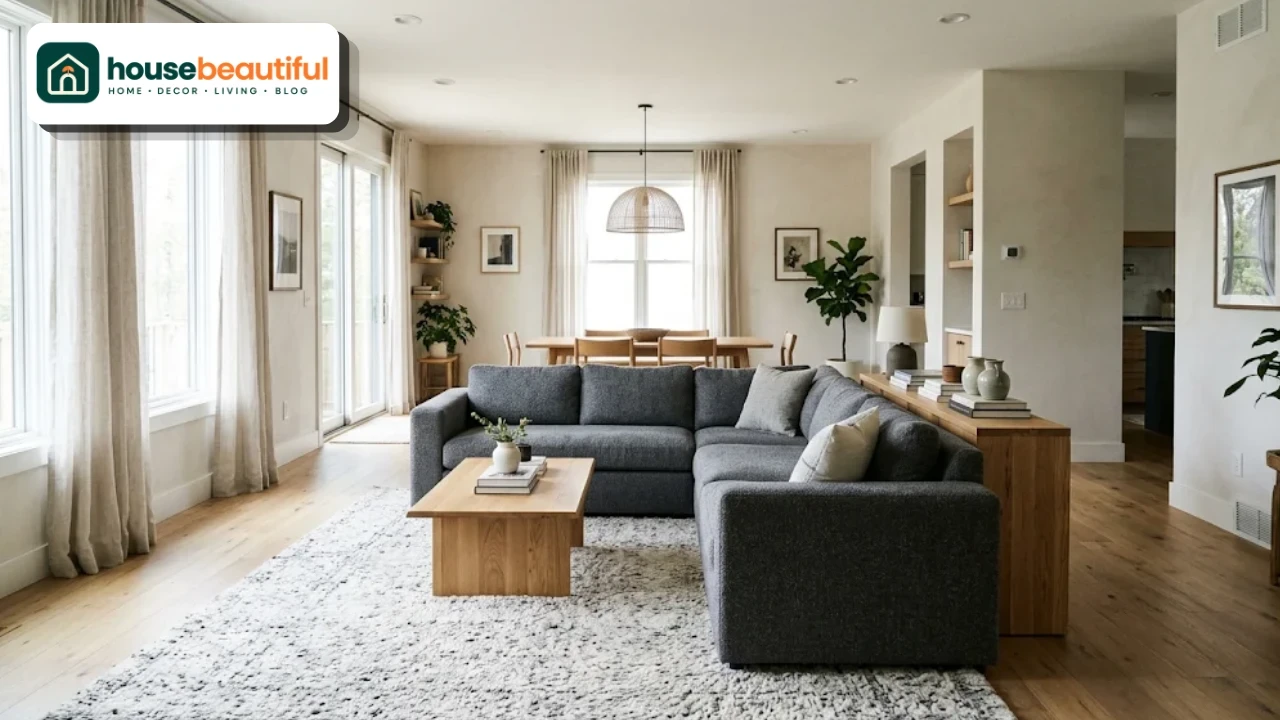
Few materials make a room feel as instantly welcoming as wood. It softens hard lines, adds texture you can almost feel from across the room, and brings a quiet connection to nature indoors.
The challenge is using it well. Too little and the room feels cold; too much, or the wrong mix of tones, and it can look heavy or dated.
This guide covers 30 practical ideas for wood living room decor, from wall panels and beams to furniture and small accents.
You’ll also learn how to mix wood tones, what colors pair best with wood, and how to adapt the look to modern, rustic, or small spaces.
Why Wood Works in a Living Room
Wood brings warmth that paint and metal can’t match, which is why wood living room decor never really goes out of style. Its grain adds movement and texture, even in a room with very simple furniture.
It is also durable. Solid wood furniture can last for generations, and many finishes can be sanded and refreshed rather than replaced.
Wood is versatile too. Pale oak feels light and Scandinavian, walnut feels rich and mid-century, and reclaimed pine feels relaxed and rustic. The same material can suit almost any style.
Know Your Woods: Tones and Types
Before choosing pieces, it helps to know the main wood families and how they read in a room.
| Wood | Tone | Undertone | Best for |
|---|---|---|---|
| White oak | Light to mid | Neutral to warm | Scandinavian, Japandi, modern |
| Ash | Very light | Cool to neutral | Minimal, contemporary |
| Maple | Light | Warm | Modern, family rooms |
| Pine | Light, knotty | Yellow-warm | Farmhouse, rustic, cottage |
| Teak | Golden mid-tone | Warm | Mid-century, tropical |
| Walnut | Dark chocolate | Warm to neutral | Mid-century, modern luxe |
| Mahogany | Deep red-brown | Red-warm | Traditional, classic |
| Reclaimed wood | Mixed, weathered | Varies | Rustic, industrial |
Light woods open up a room and suit small spaces. Darker woods add depth and drama but need good light and lighter walls to balance them.
Wood Walls and Ceilings
Walls and ceilings are where wood makes its biggest statement. One strong surface is often enough to set the tone for the whole room.
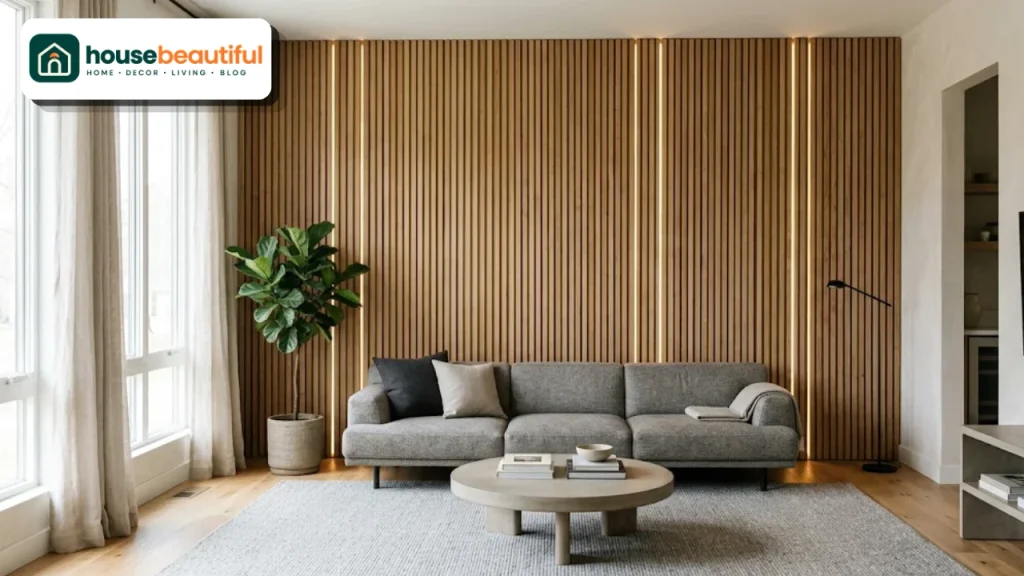
Vertical slat accent wall
Slim wooden slats with small gaps between them add rhythm and height. Behind a sofa or TV, a slat wall creates a modern focal point and can even improve acoustics with felt backing.
Full wood paneling
Floor-to-ceiling paneling in oak or walnut makes a room feel like a cozy library. It works best in rooms with good natural light or with plenty of lamps.
Shiplap
Horizontal shiplap boards, painted or left natural, give a relaxed cottage or coastal feel. Natural shiplap on one wall adds warmth without overwhelming the space.
Wainscoting
Wood paneling on the lower third of the wall, topped with paint or wallpaper, is a classic detail. Stained wainscoting feels traditional; painted wainscoting feels lighter.
Exposed ceiling beams
Real or faux beams draw the eye up and add architectural character. Dark beams on a white ceiling give a farmhouse look; pale beams feel softer and more modern.
Wood-clad ceiling
Tongue-and-groove boards across the whole ceiling create a warm, cabin-like canopy. Lighter woods keep the room airy, while darker finishes add contrast and drama.
Wood fireplace surround
A chunky reclaimed mantel or a full wood surround turns the fireplace into a natural focal point. Pair it with stone or plaster for texture contrast.
Planning a Wood Accent Wall
An accent wall is one of the most popular ideas above, so it’s worth planning carefully.
Choose the wall your eye lands on first, usually behind the sofa, TV, or fireplace. Measure it and decide whether the wood should cover the full wall or just a section.
Vertical slats make ceilings feel higher; horizontal boards make a narrow room feel wider. Leave consistent gaps between slats, typically 1 to 2 cm, for a clean, modern look.
Finish the wood with a matte oil or clear lacquer to protect it, and plan lighting so the grain shows in the evening.
Wood Furniture
Furniture is the easiest way to bring wood into a living room, and the easiest to change later. For most people, it’s where wood living room decor begins.
Solid wood coffee table
A solid oak or walnut coffee table anchors the seating area. Round tables soften a room full of straight lines; rectangular tables suit long sofas.
Live-edge table
A live-edge slab keeps the natural outline of the tree. It’s a sculptural piece that works as a coffee table, console or side table.
Wooden media console
A long, low console in walnut or teak gives the TV wall warmth. Slatted or cane doors hide clutter while letting remotes still work.
Exposed-frame chairs
Armchairs with visible wood frames, such as mid-century lounge chairs or Danish-style chairs, add warmth without bulk.
Wooden bookcase or shelving unit
A freestanding bookcase in natural wood holds books, plants and objects, and becomes a display piece in its own right.
Sideboard or credenza
A wooden sideboard along a wall adds storage and a surface for lamps, art and a few favorite objects.
Wood side tables
Small wood side tables next to each seat repeat the wood theme around the room and tie the scheme together.
Bench as extra seating
A simple wooden bench under a window or at the foot of a sofa adds seating and a place for baskets or a stack of books.
Wooden nesting tables
Nesting tables save space in small rooms. Pull them out for guests, tuck them away afterwards.
For guidance on choosing classic wood pieces such as mahogany and cherry, see our guide to furniture for a traditional living room.
Wood Accents and Accessories
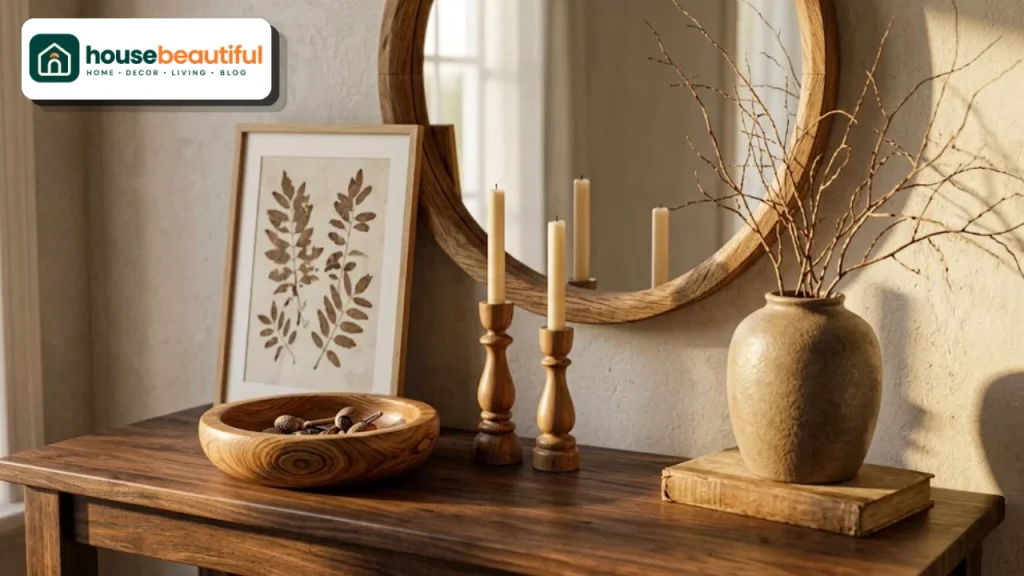
[Image 3: wooden bowls, candle holders and picture frames styled on a walnut console]
Small accents are the simplest way to try wood without committing to a big piece. They also let you test how a tone looks before investing in larger wood living room decor, and they’re perfect for repeating wood tones across the room.
Wooden bowls and trays
A large turned bowl on the coffee table or a wooden tray holding candles and books adds texture and warmth.
Wood picture frames
Natural wood frames soften gallery walls and pair beautifully with black-and-white photography or botanical prints.
Wooden mirror frame
A large round mirror with a thick wooden frame reflects light and adds a natural touch above a console or mantel.
Wood lamp bases
Turned wood or carved lamp bases add warmth at eye level, where you notice them most in the evening.
Wooden wall art
Carved panels, wooden wall sculptures or a framed piece of driftwood add texture without needing a full accent wall. Our guide on how to decorate a living room wall covers sizing and hanging.
Wood candle holders and vases
Small wooden candle holders, vases and sculptural objects layered on shelves make the room feel collected over time.
Wooden plant stands
Raise plants on wooden stands of different heights to create a green corner that feels natural and layered.
Wood curtain rods and blinds
Wooden curtain poles or woven wood blinds frame windows softly and repeat the wood theme at a higher level.
Floors, Built-Ins and Architectural Details
The surfaces you walk on and the details built into the room are the quiet foundation of any scheme.
Wide-plank wood floors
Wide planks in oak or engineered wood give a calm, continuous look. Lighter floors make small rooms feel bigger; darker floors feel grounded and rich.
Herringbone or chevron floors
Pattern adds interest without color. Herringbone wood floors work in both traditional and modern rooms.
Built-in shelving and window seats
Built-in wooden shelves around a fireplace or a window seat with storage below add character and function.
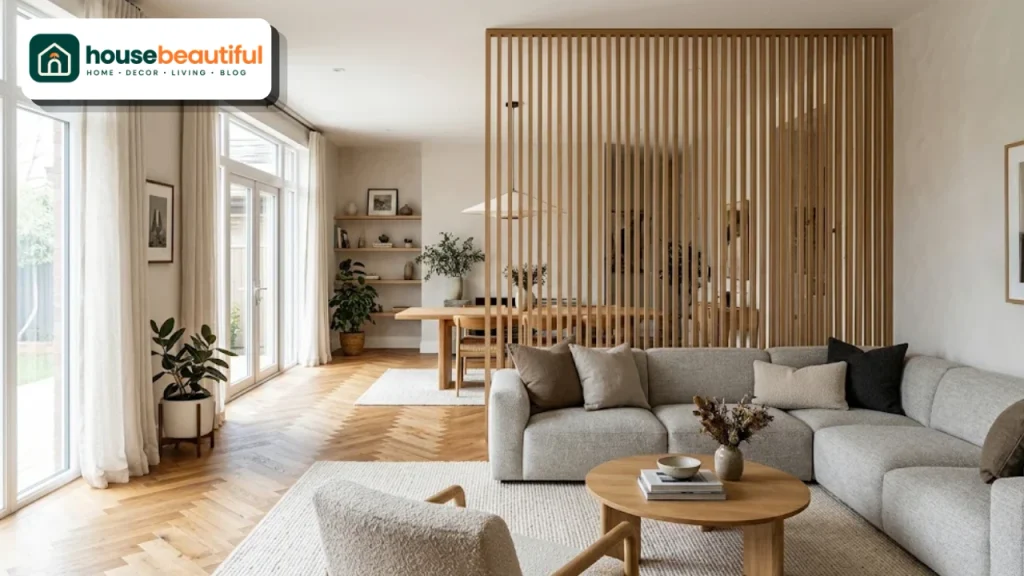
Wood room divider
In open-plan homes, a slatted wood screen or open shelving unit separates the living area without blocking light.
Wooden doors and trim
Stained wood doors, window frames and skirting boards frame the room and add subtle warmth.
Rattan, cane and bamboo touches
These close relatives of wood add lighter, woven texture. A cane-front cabinet or rattan chair pairs well with solid wood pieces.
How to Mix Wood Tones
Mixing wood tones looks more natural and collected than matching everything. The trick is to do it with intention.
Match the undertones. Woods have warm (red, orange, yellow) or cool (grey, ash) undertones. Keep most pieces in the same undertone family so they feel related.
Choose a dominant wood. Let one tone, often the floor, cover the largest area. Then add one or two supporting tones.
Create contrast. Pair light and dark woods for definition. A walnut table on a pale oak floor stands out clearly, while two similar mid-tones can look like a failed match.
Repeat each tone. Use each wood at least twice in the room, for example a walnut console and walnut picture frames, so it feels deliberate.
Use a rug as a buffer. A rug between a wood floor and a wood coffee table separates the two tones and prevents them from clashing.
Vary the grain. Mixing a strong-grain oak with a smooth, fine-grained walnut adds interest.
Colors That Pair With Wood
The right wall and fabric colors make wood look its best.
Warm white and cream. Clean, soft backgrounds that let wood grain stand out. Ideal for Scandinavian and Japandi rooms.
Greige and taupe. Calm neutrals that suit mid-tone woods like oak and teak.
Sage and olive green. Natural partners for wood, especially in rooms with plants.
Navy and deep blue. Rich contrast for walnut and mahogany.
Terracotta and rust. Warm, earthy tones that suit rustic and boho rooms.
Charcoal and black. Dramatic and modern, especially with pale oak or ash.
Materials That Balance Wood
A room with nothing but wood can feel heavy. Mixing in other materials keeps it fresh.
Metal. Black steel adds an industrial edge; brass brings warmth and polish.
Stone and marble. A marble-topped side table or stone fireplace adds cool contrast.
Glass. A glass coffee table or lamp keeps the room feeling light.
Textiles. Linen, wool, boucle,e and leather soften wood’s hard surfaces.
Plants. Greenery is a natural partner for wood and brings the room to life.
Wood Decor by Style

Wood looks very different depending on the style around it. The same oak table can feel calm and minimal in one room and warm and rustic in another, so match your wood living room decor to the overall style.
Scandinavian
Pale oak, ash and birch, with clean lines, white walls and cozy textiles. Keep accessories minimal and let the wood grain do the work.
Japandi
Japanese and Scandinavian ideas combined. Low wooden furniture, natural finishes, neutral tones and a calm, uncluttered layout.
Mid-century modern
Walnut and teak with tapered legs, sculptural chai,rs and bold accent colors such as mustard and teal.
Rustic and farmhouse
Reclaimed wood, exposed beams, chunky tables and natural textiles. Pair with white walls so the room doesn’t feel too dark.
Modern and contemporary
Sleek wood paneling, slatted walls and simple furniture combined with stone, glass and black metal. Our ideas for a large contemporary living room show how wood warms up a modern space.
Traditional
Mahogany, cherry and walnut with carved details, paired with rich fabrics, patterned rugs and classic lighting.
Lighting That Shows Off Wood
Lighting changes how wood looks more than almost anything else. The same walnut wall can look rich and glowing or flat and muddy depending on the light.
Use warm white bulbs (around 2700K) so wood tones stay warm. Cool white light can make wood look grey and lifeless.
Wall washers and LED strips along a slat wall highlight the grain and create soft shadows between slats. A picture light above a wood panel or shelf brings out texture in the evening.
Layer lamps at different heights so no wood surface sits in shadow. Wood lamp bases and woven pendant shades add even more warmth when lit.
Wood in Small Living Rooms
Wood can make a small room feel cozy rather than cramped if you choose carefully.
Use lighter woods such as oak, ash or birch, which reflect more light. Keep large wood surfaces to one wall or the floor rather than covering everything.
Choose furniture on slim legs so the floor shows underneath. Wall-mounted wood shelves save floor space and add warmth at eye level.
For more space-saving ideas, see our list of small living room ideas.
A Simple Plan for Adding Wood
If you’re not sure where to start, follow this order.
Look at what you already have. Note the floor, furniture and trim. These set your starting tones.
Choose a dominant tone. Usually the floor or the largest furniture piece.
Pick one focal idea. An accent wall, a statement coffee tabl,e or beams.
Add supporting pieces. Side tables, shelves or a console in a contrasting or related tone.
Repeat with accents. Frames, bowls and lamp bases echo each wood tone.
Balance. Add textiles, metal, stone, and plants so the room doesn’t feel too heavy.
Working step by step stops you from overloading the room and makes every wood living room decor choice feel intentional.
Wood Decor on a Budget
You don’t need solid hardwood everywhere to get the look.
Engineered wood and veneer. These offer real wood surfaces at a lower price and are often more stable than solid wood.
Peel-and-stick wood panels. A renter-friendly way to create an accent wall.
Secondhand furniture. Vintage markets and online marketplaces are full of solid wood pieces at good prices.
DIY slat walls. Pine strips, stained and fixed to a wall, can create a high-end look for a fraction of the cost.
Small accents first. Wooden bowls, frames and lamp bases are inexpensive and easy to swap.
Before buying bigger wooden pieces, plan where they’ll go. Our living room furniture layout plan guide walks you through measuring and placing furniture step by step.
Choosing Sustainable Wood
Wood is a natural material, but how it’s sourced matters.
Look for FSC (Forest Stewardship Council) or PEFC certification, which shows the wood comes from responsibly managed forests.
Reclaimed wood from old barns, factories, and floors gives timber a second life and brings unique character, with nail holes, saw marks,s and weathered patina.
Buying vintage or secondhand furniture is another sustainable choice. A well-made wood piece can be cleaned, repair,ed and refinished rather than thrown away.
Finally, choose low-VOC stains, oils and finishes, which are better for indoor air quality.
Caring for Wood in the Living Room
Good care keeps wood looking beautiful for years.
Dust regularly with a soft, dry cloth. Use coasters and placemats to protect surfaces from heat and moisture.
Keep wood out of strong direct sunlight, which can fade or darken it unevenly. Rotate accessories occasionally so surfaces age evenly.
Clean with a slightly damp cloth and dry immediately. Avoid harsh chemicals and silicone sprays.
Oil-finished wood benefits from a fresh coat of oil once or twice a year. Lacquered finishes need only gentle cleaning.
Avoid placing wood furniture directly against radiators or heating vents, which can cause cracking.
Wood for Families and Pets
Wood can handle busy family life if you choose the right finishes.
Matte and oiled finishes hide scratches and fingerprints better than high-gloss lacquer. Small marks can often be rubbed out with a little oil.
Rounded corners on coffee tables are safer for small children. Solid wood is more forgiving than veneer, since it can be sanded and refinished if it gets damaged.
Hard-wearing woods like oak and teak resist dents better than softer pine. Area rugs protect floors in high-traffic spots and from pet claws.
Seasonal Styling With Wood
Wood is a year-round material, but small changes keep it feeling fresh.
In autumn and winter, layer wool throws, sheepskins and velvet cushions over wooden furniture. Add pine cones, branches and candles in wooden holders for a cozy, cabin-like feel.
In spring and summer, lighten up with linen cushions, fresh flowers and greenery. Swap heavy accessories for woven baskets and pale wood bowls to keep the room airy.
Common Mistakes to Avoid
Matching every piece. A room where the floor, furniture and walls are all the same wood can look flat and dated.
Too much dark wood. Without light walls and good lighting, dark woods can make a room feel heavy.
Clashing undertones. A red-toned cherry next to a grey-toned oak can look like a mistake. Keep undertones related.
No softening. Wood needs textiles, plants and other materials to feel inviting.
Ignoring scale. Chunky rustic pieces can overwhelm a small room, while tiny accents disappear in a large one.
Bringing It All Together
The best wood living room decor starts with one strong idea, such as a slat wall, a walnut console, or a beamed ceiling, and builds around it.
Choose a dominant wood tone, add one or two supporting tones, repeat each at least twice, and balance everything with textiles, metal, ston,e and plants.
FAQs:
How do I decorate my living room with wood?
Start with one focal piece, such as a wood accent wall, coffee table or media console, then repeat the wood tone with smaller accents and balance it with textiles and plants.
Can you mix different wood tones in a living room?
Yes. Keep undertones similar, choose one dominant tone, add contrast,st and repeat each wood at least twice.
What wall color goes best with wood?
Warm white, cream, greige, sage green and navy all pair beautifully with wood.
Does wood make a living room look smaller?
Dark wood on many surfaces can. Lighter woods, used on one wall or the floor, keep a small room feeling open.
Which wood is best for living room furniture?
Oak, walnut, teak, and maple are durable and popular. Oak suits modern rooms, walnut suits mid-century and luxe rooms.
Is wood paneling outdated?
No. Modern slat walls and natural-finish paneling are popular. Dated paneling usually has an orange varnish or a dark, glossy finish.
How do I make a wood living room look modern?
Use clean lines, matte finishes, lighter woods, and contrast with black metal, stone or glass.
What is the cheapest way to add wood to a living room?
Wooden accessories, secondhand furniture, peel-and-stick panels or a DIY pine slat wall.
How do I care for wood furniture?
Dust regularly, use coasters, avoid direct sun and heat, and re-oil oil-finished wood once or twice a year.
What decor styles use the most wood?
Rustic, farmhouse, Scandinavian, Japandi, and mid-century modern rely heavily on wood.